
Key points:
- You need a safe, workable practice area, not a separate therapy room or expensive furniture.
- Portable materials and routine-based teaching let the same small space support many goals.
- Clear boundaries protect family life while helping your child practice skills where they naturally happen.
A small apartment can still support useful in-home ABA. You do not need a spare room, a large table, or shelves full of therapy toys. Good ABA therapy in NYC can use the spaces and routines your child already knows. The goal is to make learning practical, not to make your home look like a clinic.
Start by choosing one calm spot for focused activities. Then let the kitchen, bathroom, entryway, and play area support real-life practice. A provider offering in-home ABA support should adjust to your household, building rules, and schedule.
This guide shows how to create flexible learning zones, store materials, reduce distractions, and protect downtime. You will learn what to ask before sessions begin. Tight space calls for planning, but it can make practice feel natural.
Your child uses communication and daily skills where they matter most. That balance helps sessions fit without taking over the whole apartment.
Build One Flexible Zone for ABA Therapy in NYC
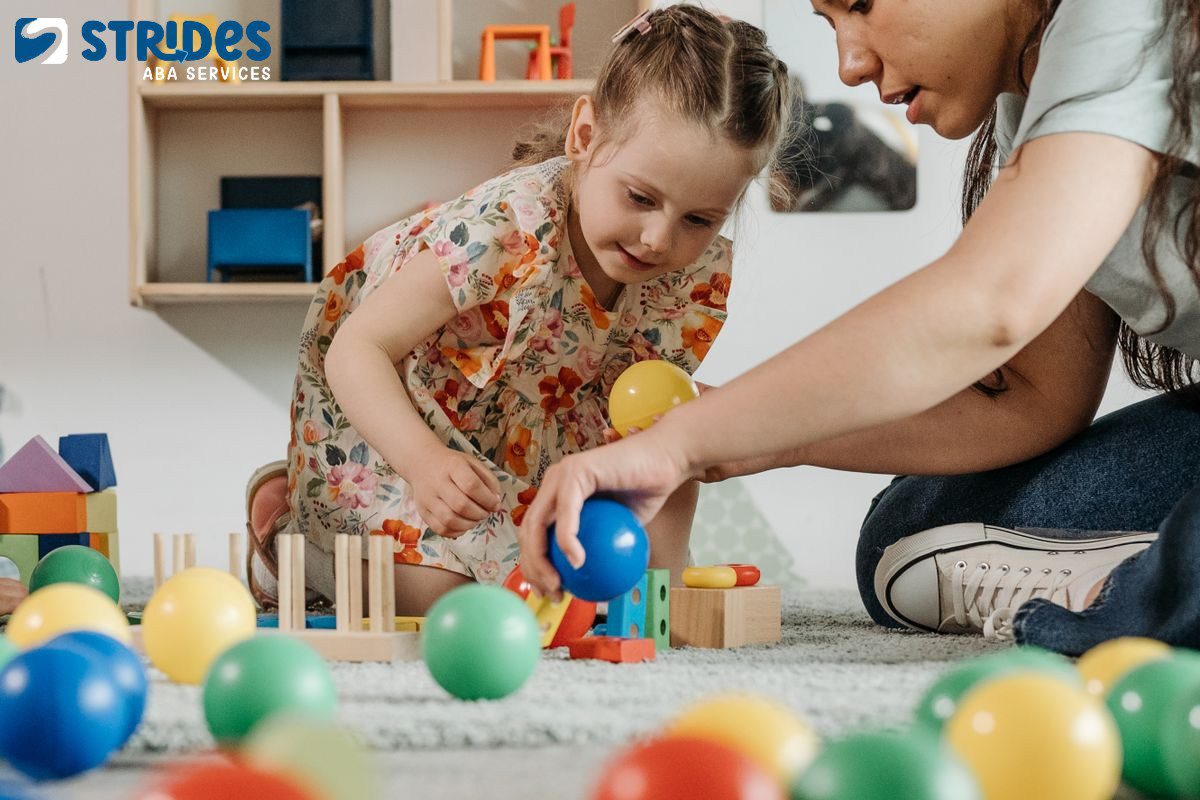
Choose a place where your child can sit or move safely. A living room corner or kitchen table can work. The area need not stay dedicated.
Choose function over appearance
Look for light, a stable surface, and a clear walkway. Avoid a hot radiator, open window, or furniture that could tip.
The federal home childproofing guide offers room-by-room safety checks. Review the apartment at your child’s height. Adults still manage building and product safety.
A simple focused zone might include:
- A child-sized chair or floor cushion.
- A clear bin with current materials.
- Two or three preferred items.
- A visual timer or small schedule.
- A water bottle and communication device.
- A closed container for items not in use.
Families seeking ABA therapy in Brooklyn often balance therapy with roommates, siblings, or multigenerational living. Ask everyone which shared space causes the least disruption.
Use portable boundaries
Boundaries show where an activity begins and ends. Try a mat, placemat, or tray. Put it away afterward.
Visual supports for home routines can reduce repeated verbal reminders. Use one or two pictures first. Too many cards create clutter and confusion.
Let Daily Routines Become Learning Spaces
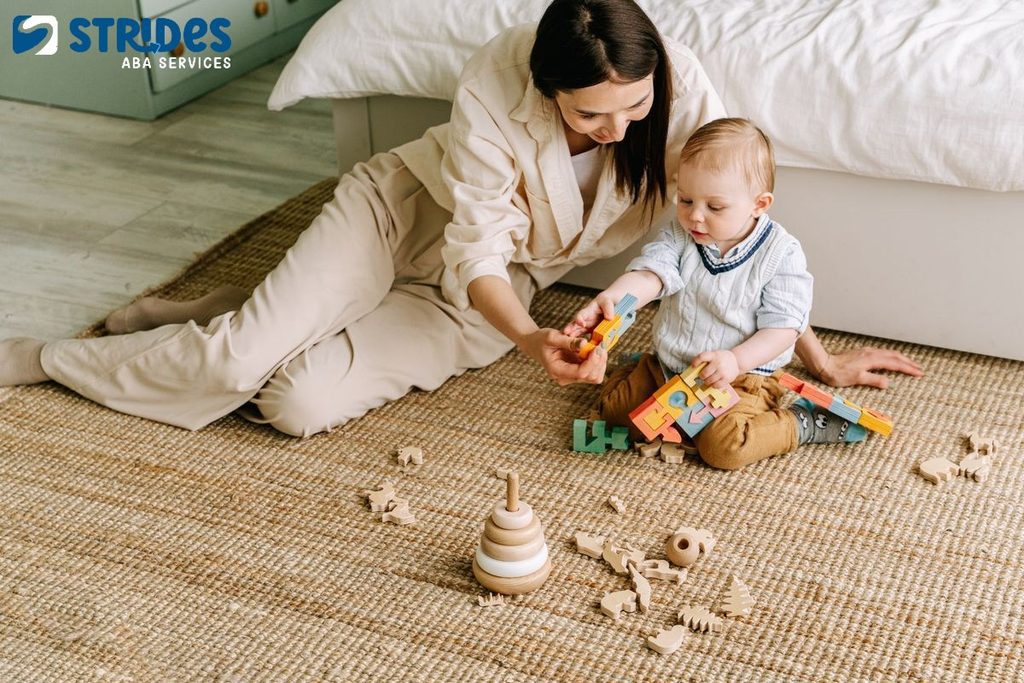
Natural-environment teaching means practicing useful skills during real activities and following your child’s motivation when possible.
Research on naturalistic developmental behavioral interventions describes teaching within everyday activities and child interests. Your provider should still individualize each strategy and track whether it helps.
Match goals to the room
Each apartment area suggests practical skills. Keep practice brief, so your child can eat, play, and rest without constant demands.
Examples include:
- Entryway: waiting, putting on shoes, and carrying a backpack.
- Kitchen: requesting food, following one step, and cleaning up.
- Bathroom: handwashing, toothbrushing, and asking for privacy.
- Bedroom: choosing clothes and following bedtime steps.
- Living room: turn-taking, play, and asking siblings for space.
During in-home ABA therapy in New York, ask for a demonstration of the routine. Then try it with feedback.
Protect non-therapy time
Your apartment should not feel like a classroom. Keep private spaces off limits and set boundaries around shared areas.
Parent training in ABA can help you choose when to practice and when to pause. You are a parent first. A useful plan should fit family life instead of taking it over.
Reduce Clutter Without Losing Useful Materials
More materials do not mean better sessions. Keep only needed items visible and rotate choices.
Create a session kit
Use one lidded bin, cart, backpack, or organizer. Keep small pieces away from children and pets.
Your kit may hold:
- A few books or puzzles.
- Paper, crayons, and simple matching cards.
- Visuals for current routines.
- Preferred toys used during teaching.
- Data sheets or a secure provider tablet.
- Safe cleaning supplies.
Review ABA activities that use familiar play before buying. Household objects may work too.
For ABA therapy in NYC, storage must also protect privacy. Do not leave records, passwords, or identifying data where visitors can see them. Ask the provider how they keep electronic information secure.
Rotate instead of stacking
Keep current materials accessible. Ask the therapist to remove agency supplies after sessions. Photograph a setup if needed.
A visual schedule for daily routines can live on a clipboard rather than a wall. Portable tools work well when one room serves several purposes.
Plan for Noise, Movement, and Other People
Apartments bring hallway, street, plumbing, and neighbor noise. Plan how sessions respond.
Make a distraction plan
Tell the therapist when noise rises. Close a curtain if street movement distracts. Use headphones only when your child accepts them.
Try these adjustments:
- Schedule focused work outside the loudest building hours.
- Work away from the television.
- Keep a movement break ready in the safest open area.
- Warn your child before a buzzer or delivery.
- Use short work periods with clear endings.
Sensory-friendly environment ideas can help you notice lighting, texture, and sound. Sensory needs differ, so follow your child’s response.
Include siblings with care
Siblings may join a game when everyone agrees. They should not become assistants or lose their own quiet time.
For ABA therapy in Brooklyn, building routines may also matter. Discuss elevators, stairs, lobby waiting, and street transitions only when the plan targets those skills safely. Community practice needs caregiver permission and clear supervision.
Set Expectations Before the First Session
Ask what staff need from your home. They need a safe place and honest information, not perfect quiet.
Walk through logistics together
Before sessions, discuss pets, shoes, food, building access, and visitor rules. Explain cultural or privacy expectations.
Questions to ask include:
- Who attends each session and who supervises?
- Which adult must remain home?
- Can the session move between rooms?
- How are bathroom goals handled respectfully?
- How should staff handle interruptions?
- Who cleans and stores session materials?
A guide to starting ABA at home can help you prepare. Your agency should give its own written policies too.
Review progress in real life
Ask whether your child requests help, waits near the elevator, or completes dressing with less support. Session scores do not tell the full story.
In-home ABA therapy in New York should support generalization, which means using a skill with different people and in new situations. Review ways parents can reinforce skills during routines without turning every moment into work.
If the setup stops working, change it. Your child grows, and apartment routines shift.
Frequently Asked Questions
Do I need a separate room for in-home ABA?
No. One safe, flexible spot can support focused activities. The therapist can also teach within daily routines. Ask what space each goal requires and put materials away when sessions end.
How much equipment should I buy?
Start with household items and a few preferred activities. Ask the provider what it supplies before purchasing materials. Expensive furniture, sensory products, or large toy collections are not automatically necessary for progress.
Can siblings stay in the apartment during ABA therapy in NYC?
Usually, yes. Discuss supervision, privacy, noise, and planned sibling participation with the provider. Siblings should not lose access to shared family space for long periods or carry therapy responsibilities together.
What if neighbors complain about noise?
Tell the clinical team early. Adjust timing, movement activities, and floor protection while respecting your child’s needs. Review your lease and building rules. Do not use punishment to suppress harmless communication or movement.
How can I protect my child’s privacy in a small home?
Store paper records in a closed place and secure electronic devices. Set limits on filming and visitors. Ask where staff complete notes and how the agency protects identifying information after sessions.
Make Small Space Work Hard, Then Let Home Feel Like Home
Your apartment does not need a makeover to support learning. A clear mat, a portable bin, and thoughtful routines can make ABA therapy in NYC workable. The best setup respects safety, privacy, siblings, and the parts of home that simply belong to family life.
Strides ABA provides home-based care that uses real routines and practical goals. The team can discuss scheduling, supervision, caregiver involvement, and whether staff currently serve your ZIP code.
Contact us to describe your apartment, household schedule, and your child’s priorities. Ask what the first visit needs and what can stay exactly as it is. A small, sensible setup can give your child plenty of room to learn.
Call (732) 353-1414 or email info@azure-alpaca-945083.hostingersite.com.